

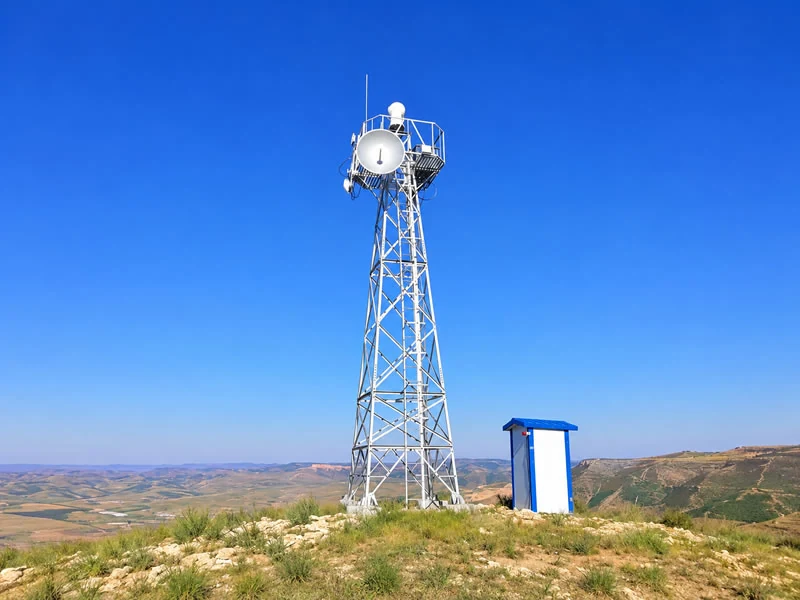
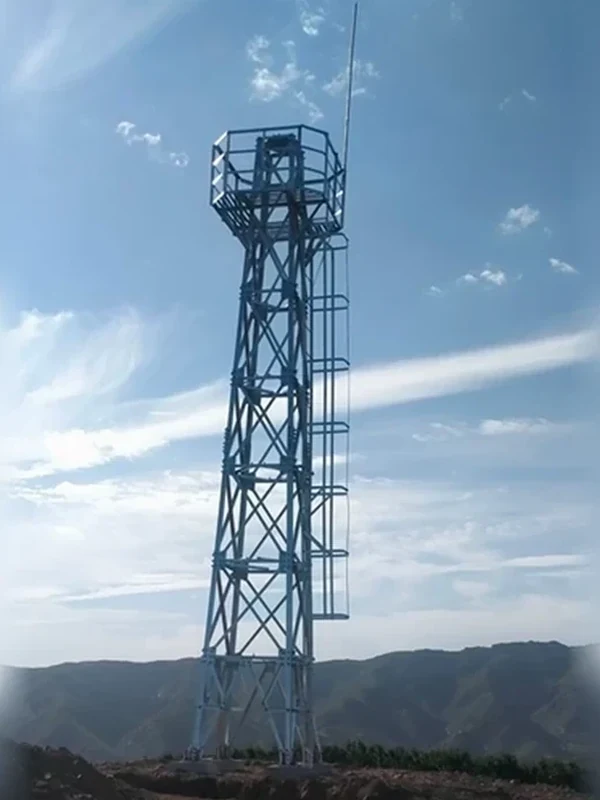
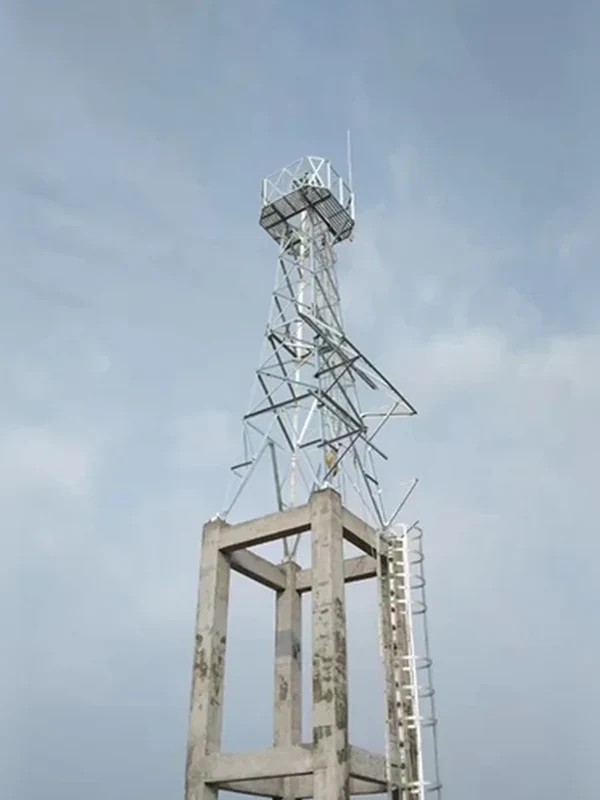
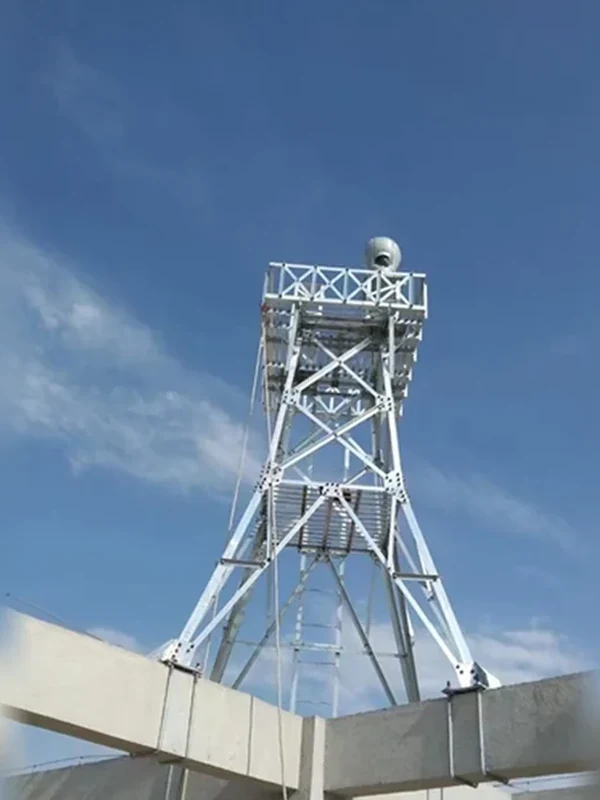
Monitoring Tower, also called a CCTV tower or camera tower, puts surveillance equipment above nearby trees, walls and buildings. Getting the camera high enough is the easy part. Keeping the picture steady on a windy day is what decides the tower structure, so the design must be based on the actual equipment rather than height alone.
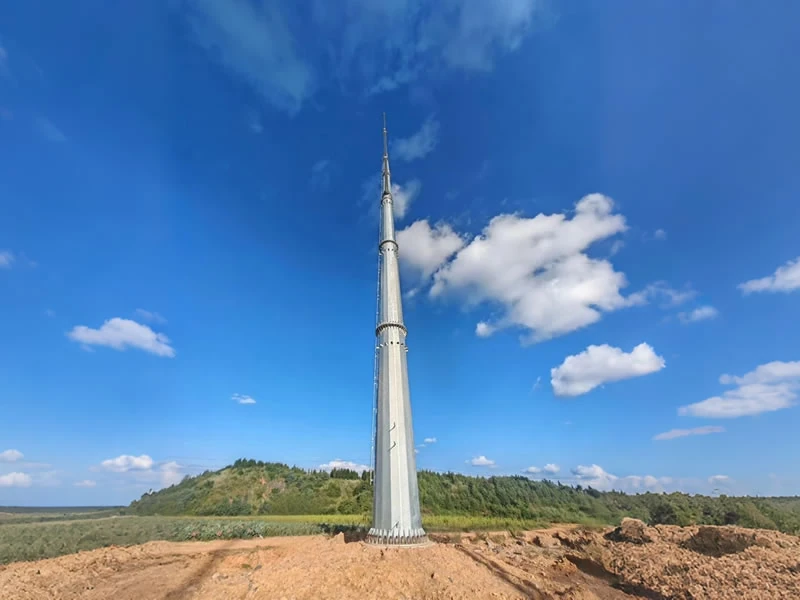
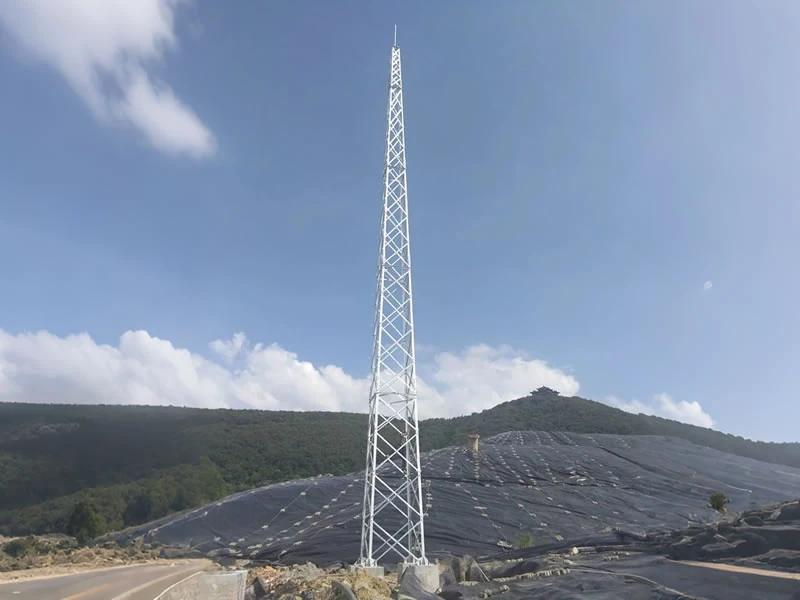
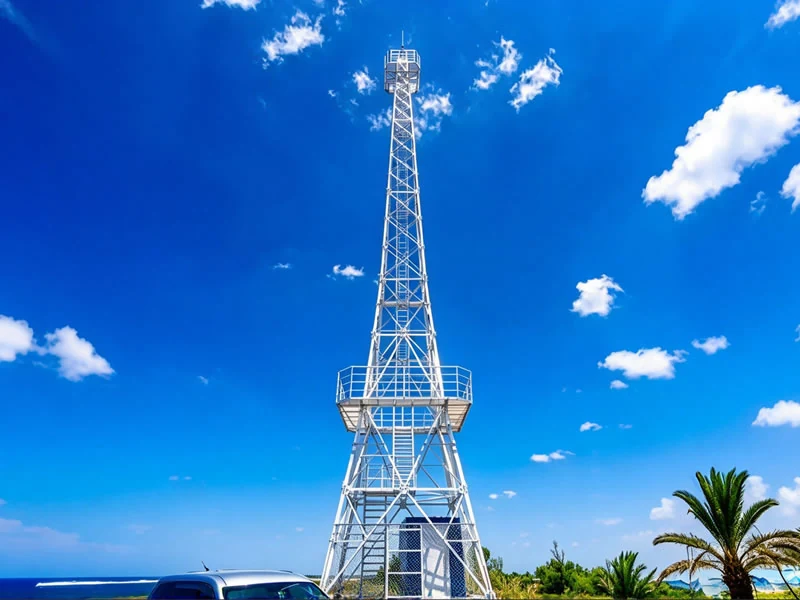
A 20 m tower carrying one fixed camera is quite different from a 20 m tower with several PTZ cameras, a microwave dish and floodlights. For the second job we would usually look at a four-leg angle steel tower with a working platform. A triangular tower uses less ground space, while a monopole often suits a lighter load and a simpler installation.
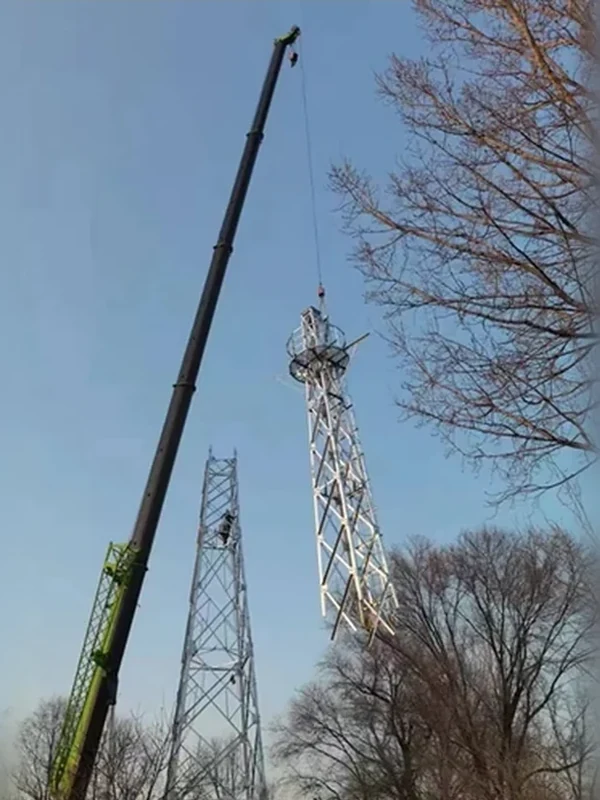
We make these towers to order. The steelwork is split into sections that fit the planned truck or shipping container, then bolted or welded during erection. Carbon steel parts are normally hot-dip galvanized after fabrication. Camera brackets, cable supports and grounding points are added from the approved drawing.
Before we draw the platform
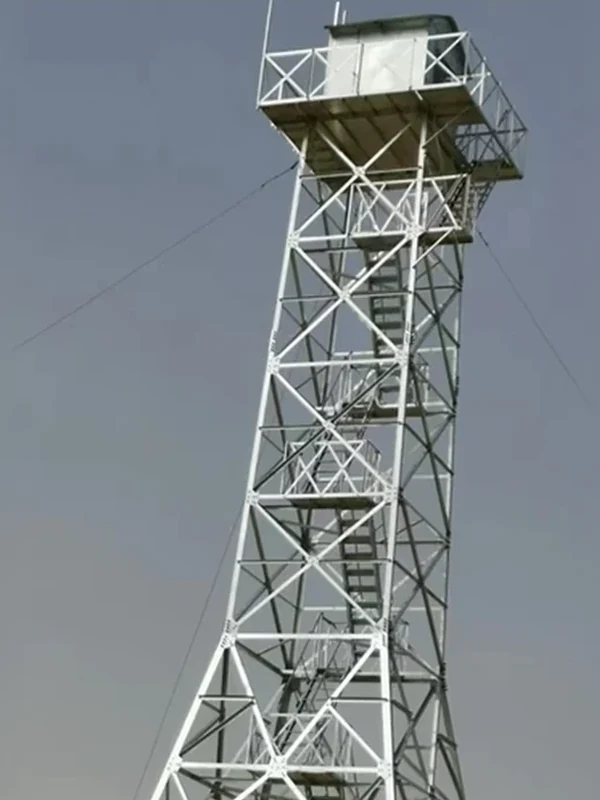
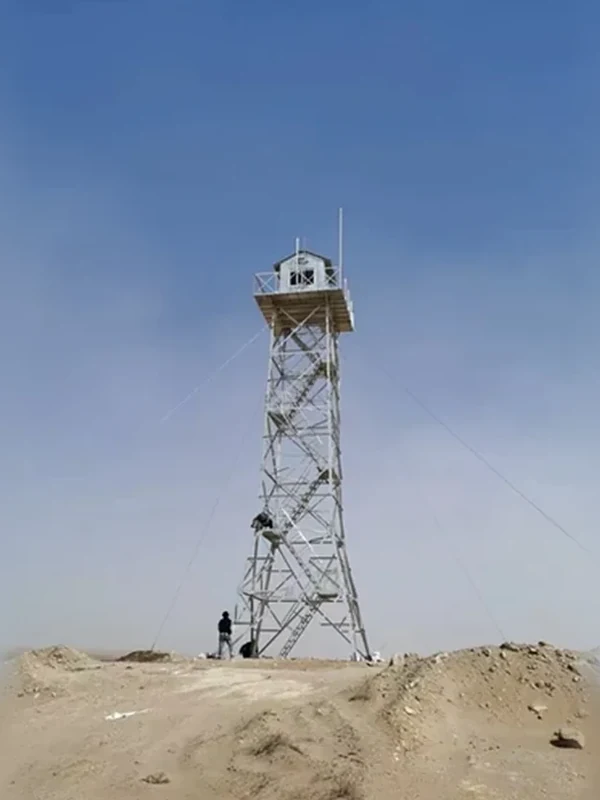
We need to know where each camera sits and how a technician will reach it. There should be enough room to work inside the guardrail, with cables routed clear of the ladder. Please include any cabinet, antenna or light in the first equipment list. Even a light dish can put a considerable wind load on the top of a tall tower.
Specifications
| Structure | Four-leg angle tower, triangular round-steel tower, or monopole |
| Height range | 5 to 50 m; common heights are 10, 15, 20, 25, 30, 35 and 40 m |
| Main material | Q235B angle steel, round steel, or structural tube |
| Design wind speed | 30 to 40 m/s, checked for the equipment and project location |
| Seismic design | Up to intensity 8 in accordance with the project requirement |
| Ice thickness | 5 to 10 mm when specified |
| Working temperature | -40°C to +55°C |
| Vertical tolerance | Not greater than 1/1000 |
| Grounding resistance | 4 ohms or less when the grounding system is installed as designed |
| Platform load | 250 kg/m² or higher, according to the equipment and service load |
| Platform levels | One to three working platforms |
| Access | External ladder with safety cage or internal ladder |
| Corrosion protection | Hot-dip galvanizing to ISO 1461 when specified |
| Reference standards | GB 50017 and GB/T 51425-2020; other project standards can be reviewed |
| Design service life | 50 years when the stated design, exposure and maintenance conditions are met |
The quickest way to start is to send a simple sketch. Mark the tower height, camera levels and platform size, then list the equipment fixed at each level. We also need the project location for the wind and seismic check.
Applications
Typical enquiries come from road surveillance projects, forest fire camera systems, oil depots, industrial yards and remote perimeter sites. The same type of tower can also carry weather instruments or a small communication antenna when those loads are included in the design.

 English
 German
 French
 Portuguese
 Spanish
 Russian
 Arabic
 Indonesian
 Vietnamese